
Beyond Compliance: How Human-Centric Leadership and Inclusive Safety Systems Protect Neurodiversity
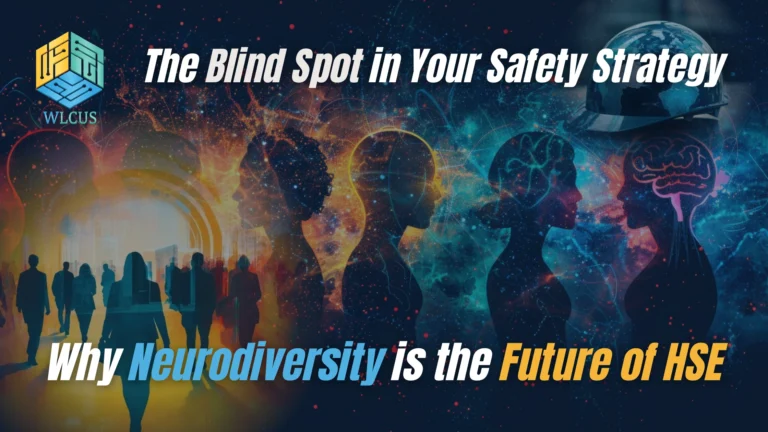
The pursuit of Zero Harm in high-risk industries, from construction and manufacturing to energy and chemicals, has long been defined by rigid standardization and adherence to the rulebook. However, the next leap in Occupational Health and Safety (OHS) is not a technological one, it is a human one.
True safety excellence demands an end to the “one-size-fits-all” model. It requires Human-Centric Leadership that fundamentally recognizes and supports Neurodiversity, the natural variation in how human brains process information (including Autism, ADHD, Dyslexia, and Dyspraxia).
With up to 20% of the population being neurodivergent, standard safety training and environments can inadvertently create systemic risk, often leading to incidents that are mistakenly labeled as “human error.” This is the critical blind spot that HSE Nexus 2026 is focused on correcting.
1. The Cost of Cognitive Exclusion: Why Standardized Safety Fails
Traditional safety systems are often a mismatch for neurodivergent cognitive styles, turning potential strengths into overlooked vulnerabilities:
Information Overload: Dense, text-heavy Standard Operating Procedures (SOPs) or lengthy safety briefings can be a major hurdle for individuals with Dyslexia or certain forms of Autism, impairing comprehension and retention of critical steps.
Sensory Vulnerability: High-noise, bright-light, or cluttered work environments, common in industrial settings, can trigger severe sensory overload for an autistic employee. This can lead to distraction, anxiety, and a compromised ability to perceive and react to immediate physical hazards.
Fear of Disclosure (The Psychological Risk): Studies show a significant number of neurodivergent employees do not disclose their condition due to fear of stigma and discrimination, or concern it will damage their career progression. This creates a critical lack of data, preventing managers from making necessary, often simple, accommodations. This silence is the definition of a low Psychological Safety environment.
When an incident occurs in this environment, it is rarely the individual’s “fault”. It is a failure of the systemic design to accommodate cognitive diversity.
2. Leveraging the Neurodiversity Advantage: A Predictive Safety Asset
A key tenet of Human-Centric Leadership is recognizing that neurodivergent individuals often possess cognitive strengths that are exceptionally valuable for Predictive Safety and complex problem-solving:
| Neurodivergence Trait | Key Cognitive Strength | HSE Application |
| Autism | Superior pattern recognition, attention to detail, logical consistency. | Advanced Risk Analytics: Quickly spotting anomalies in data or equipment wear that others miss; rigorously following complex, multi-step procedures without deviation. |
| ADHD | Hyper-focus under interest or pressure, creative problem-solving, high energy. | Crisis Response: Maintaining intense focus during high-stakes emergencies; quickly generating novel solutions when standard procedures fail. |
| Dyslexia / Dyspraxia | Strong 3D spatial awareness, holistic visualization, big-picture thinking. | Human Factors Engineering: Designing intuitive workspaces and procedures; identifying structural or ergonomic hazards in a floor plan layout. |
By actively recruiting for and supporting these differences (Cognitive Diversity), organizations transform potential risks into resilience drivers.
3. Pillars of Inclusive Safety Systems: Actionable Strategies for Leaders
Implementing Inclusive Safety Systems requires a focused commitment from leaders to redefine operational processes and foster Psychological Safety from the top down.
A. Multimodal and Accessible Training (Universal Design)
Abandon the reliance on one-dimensional, text-heavy communication.
Visual-First SOPs: Replace dense manuals with short, graphic-based, step-by-step checklists at the point of use.
Immersive Learning: Utilize Virtual Reality (VR) and Augmented Reality (AR) for safety training. This allows workers to perform simulations (e.g., emergency response drills) in a controlled, multi-sensory environment, which is proven to boost retention across all learning styles.
Clear Language: Train managers to use direct, literal language, avoid jargon, and provide instructions both verbally and in writing (asynchronous communication), respecting different processing speeds.
B. Proactive Environmental Adaptation (Sensory-Friendly Design)
Safety leadership must extend into the physical environment to manage sensory load.
Designated Quiet Zones: Establish low-stimulation areas (Quiet Rooms) where workers can retreat to manage sensory overload, especially before or after high-intensity tasks.
Flexible Accommodations: Implement policies that allow for simple adjustments like using noise-canceling headphones as part of mandated PPE, utilizing adjustable or tinted lighting, or adapting dress codes for comfort.
Routine Management: Provide ample, advance notice of any changes to schedules, workflows, or site layouts, as predictability is vital for many neurodivergent individuals.
C. Reforming Incident Investigation and Policy
The approach to safety incidents must shift from individual blame to systemic analysis.
Cognitive Risk Assessment: Integrate neurodiversity considerations into pre-task and pre-job risk assessments. Ask: “Does this procedure create a communication or sensory burden for any member of the team?”
Non-Punitive Reporting: Ensure incident and near-miss reporting processes are easy, anonymous, and clearly focused on systemic failures, not individual culpability. This reinforces Psychological Safety and encourages disclosure of issues that might otherwise remain hidden.
Managerial Upskilling: Invest in mandatory training for all managers and supervisors on neuro-inclusion. They are the “first responders” and must be equipped to recognize, support, and leverage cognitive differences.
Master the New Human-Centric Safety Model
Are your safety protocols excluding 20% of your workforce? Are you ready to lead diverse teams effectively?
Neurodiversity & Safety Leadership is a headline topic at the upcoming Global HSE Nexus 2.0.
Join the world’s top safety innovators to explore practical frameworks for inclusive leadership, mental well-being, and the future of work.
Don’t let your safety strategy fall behind.
Global HSE Nexus 2026