
The Hidden Killer: Asbestos Exposure & Workplace Safety
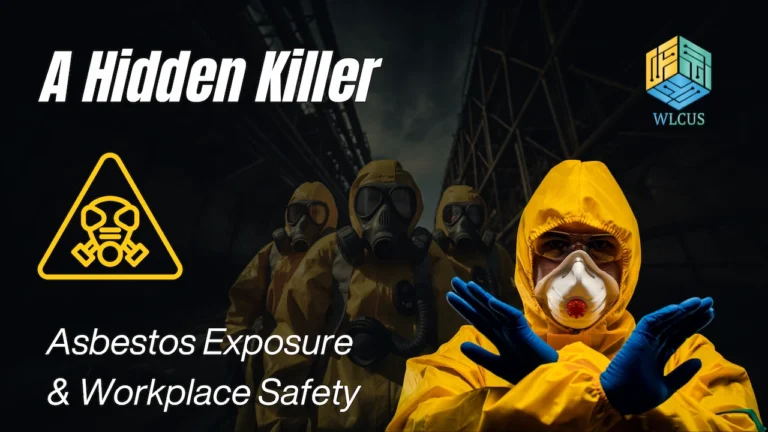
The Silent Threat of Asbestos
Asbestos was originally thought to be a miracle material because of its heat resistance and durability. However, it has become one of the most serious workplace hazards. Despite limits and bans, workers in numerous industries continue to come into contact with asbestos on a regular basis. What is the most disturbing fact? Asbestos-related disorders can take decades to develop, and they frequently emerge when therapy is no longer possible. Understanding the dangers and implementing preventive steps are critical for ensuring occupational health and safety.
The Health Risks of Asbestos Exposure
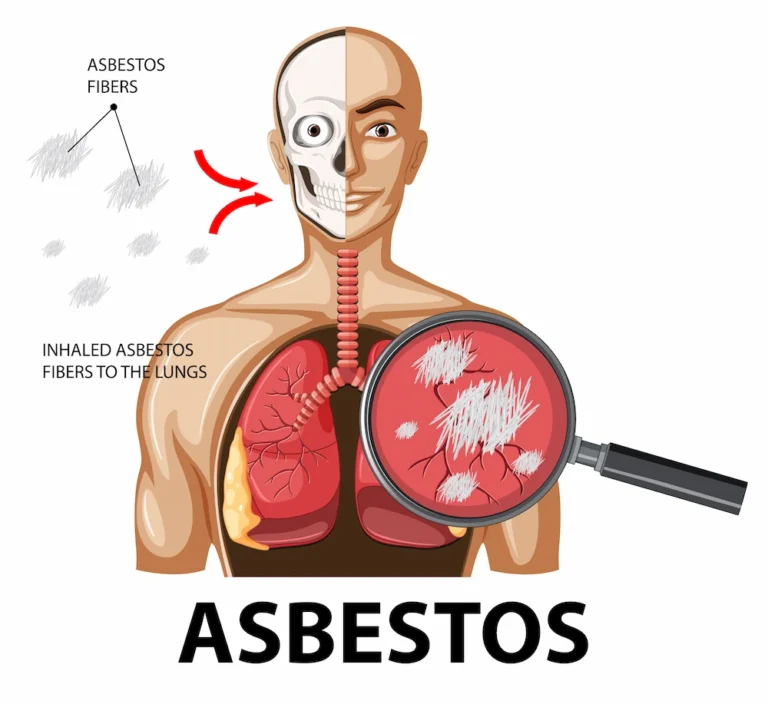
Asbestos exposure leads to severe and often fatal diseases. The microscopic fibers lodge in the lungs, causing irreversible damage over time.
Mesothelioma: The Deadly Consequence
Mesothelioma is a rare yet aggressive cancer directly linked to asbestos exposure. It affects the lining of the lungs and abdomen, with no known cure.
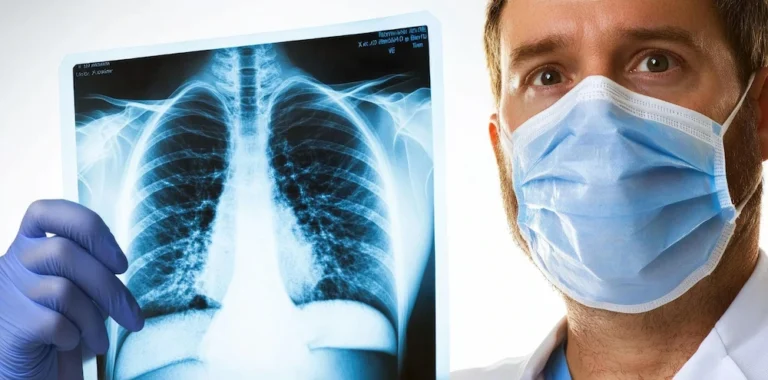
Symptoms include shortness of breath, chest pain, and fluid buildup in the lungs. Unfortunately, due to its long latency period, diagnosis often occurs in advanced stages.
Lung Cancer and Asbestosis: The Slow Killers
Asbestos exposure significantly increases the risk of lung cancer, particularly among smokers. Inhaled fibers cause chronic inflammation and scarring, leading to tumor formation.
Asbestosis, a progressive lung disease, results in severe breathing difficulties and long-term disability. It has no cure, and treatment only manages symptoms.
Industries and Workers Most at Risk
Some industries remain high-risk environments for asbestos exposure, even with strict regulations.
Construction and Renovation Crews
Older buildings contain asbestos in insulation, roofing, and flooring materials. Disturbing these materials releases airborne fibers, putting workers at risk.
Industrial and Manufacturing Employees
Factories, power plants, and shipyards historically used asbestos in machinery and equipment. Workers handling insulation or pipe fittings may unknowingly inhale fibers.
Firefighters and First Responders
Emergency response teams face asbestos exposure when responding to fires and structural collapses. Protective gear is essential to prevent inhalation of toxic fibers.
Why Asbestos Is Still a Problem Today
Despite bans in many countries, asbestos remains in countless older buildings and industrial sites. Improper handling or demolition of these materials can release harmful fibers.
Additionally, some countries still allow the use of asbestos in certain products. Global trade and lack of enforcement make complete eradication difficult.
Steps to Protect Workers from Asbestos Exposure
To eliminate asbestos-related risks, stronger policies and proactive safety measures are essential.
Strengthening Regulations and Inspections
Governments and organizations must implement strict no-tolerance policies for asbestos exposure. Routine inspections ensure compliance with health and safety standards.
Workplace Awareness and Safety Training
Educating workers about asbestos risks is vital. Proper training enables employees to recognize hazardous materials and follow safe handling procedures.
Proper PPE and Decontamination Procedures
For high-risk occupations, personal protective equipment (PPE) is crucial. Workers should wear:
Respiratory protection (P3-rated respirators or PAPRs)
Protective clothing (disposable coveralls, gloves, and shoe covers)
Decontamination equipment to prevent bringing fibers home
The Need for Action
Workplace safety is a right, not a privilege. With proper regulations, awareness, and protective measures, we can eliminate asbestos-related illnesses.
Taking action today prevents future tragedies. Advocate for asbestos-free workplaces and ensure a safer future for all workers.