Your cart (items: 0)
| Product | Details | Total |
|---|
Your shopping cart is empty

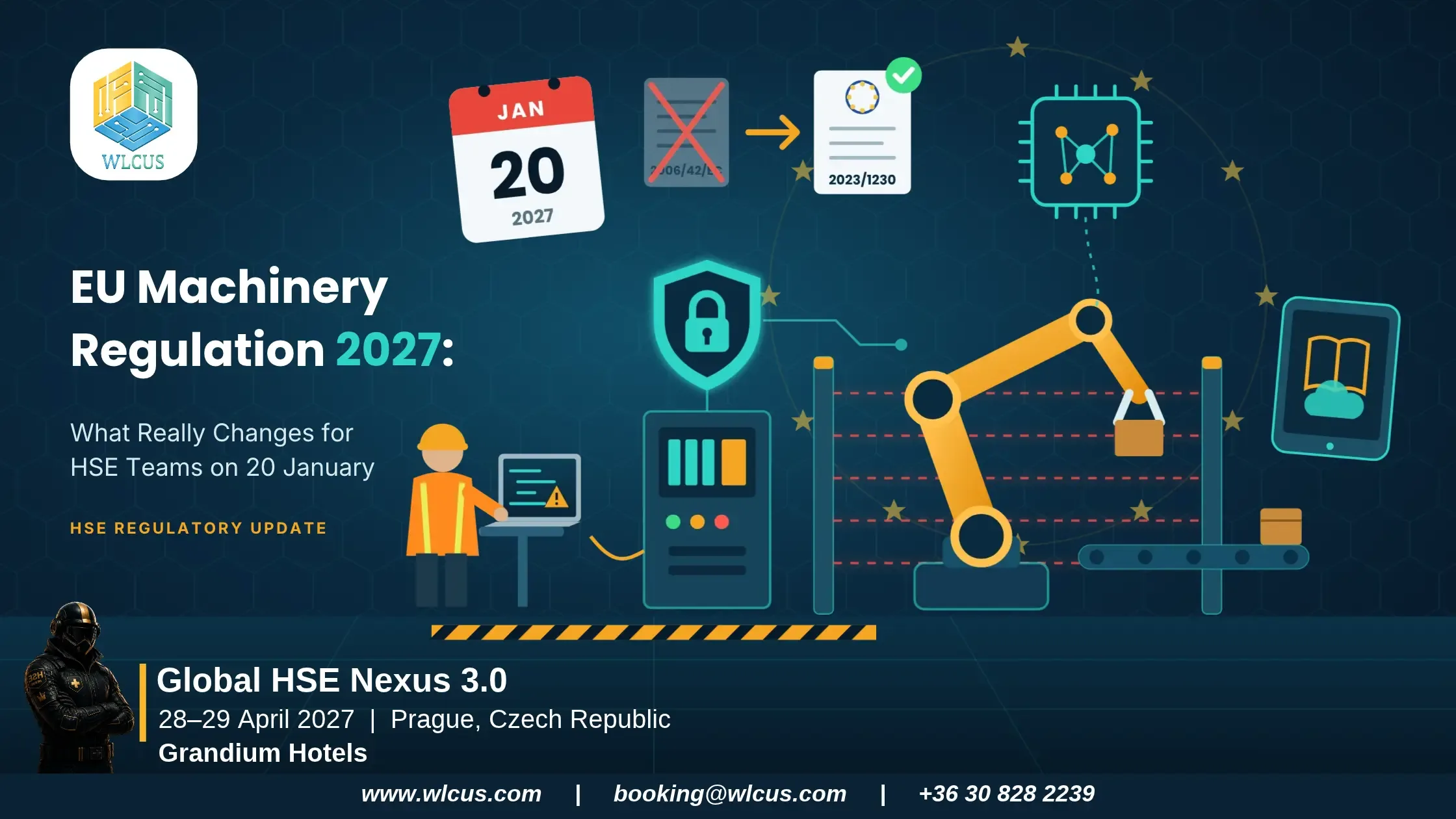
On 20 January 2027, the EU Machinery Regulation (EU) 2023/1230 replaces the Machinery Directive that has guided machine safety in Europe for almost 20 years. The new rules matter not only to machine builders but to every HSE manager, maintenance lead and plant engineer who buys, upgrades or modifies machines. In this guide, we explain what really changes, from substantial modifications and AI-driven safety systems to cybersecurity and digital manuals, and share a practical six-step checklist to help your site get ready. Join Europe’s HSE leaders to discuss it further at Global HSE Nexus 3.0 in Prague, 28–29 April 2027.
A 90-day injury-free streak can look like success, but it may also hide the faulty equipment and everyday workarounds your team quietly manages each shift. This article explains the “normal work paradox” and gives HSE leaders three practical ways to spot weak signals, check critical controls and learn from ordinary shifts before a near miss becomes a serious incident.

The Future of HSE Leadership in 2027: AI, Risk Management and Safer Workplaces If someone on your team spotted a serious risk today, how quickly would your organisation act? Would the concern reach the right person? Would there be time and resources to address it? Would the employee feel comfortable raising it in the first…

Europe’s 3,367 Workplace Deaths: Why Safety Leadership Must Change in 2027 New Eurostat figures reveal a concerning contrast: workplace fatalities increased across the European Union even as reported non-fatal accidents declined. For HSE leaders, the question is no longer simply whether safety programmes are working, but whether organisations are effectively controlling risks capable of taking…
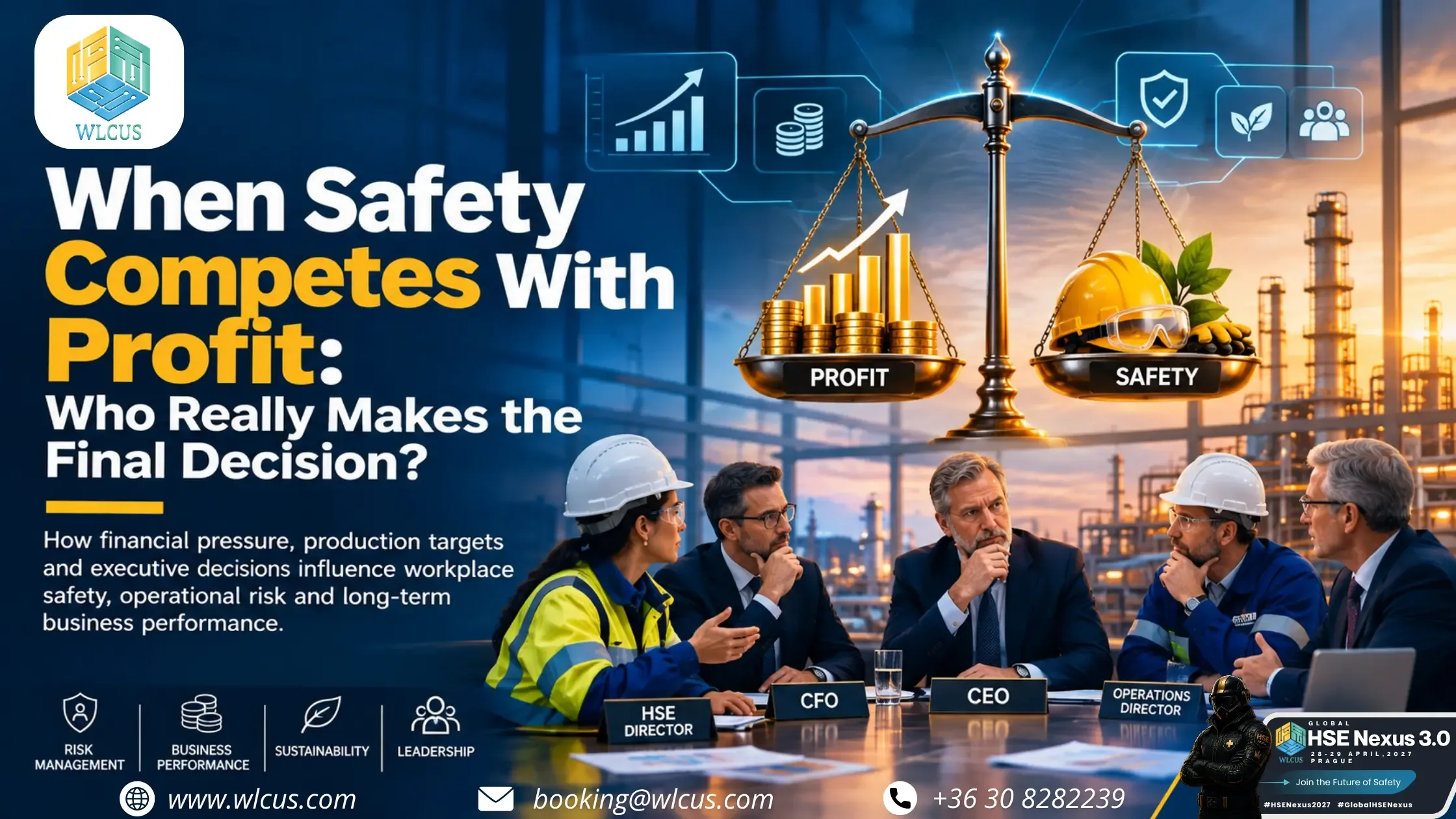
When Safety Competes With Profit: Who Really Makes the Final Decision? How financial pressure, production targets and executive decisions influence workplace safety, operational risk and long-term business performance. Every organisation says that employee safety comes first. It appears in corporate policies, annual reports, leadership presentations and workplace safety campaigns. Executives frequently describe protecting people as…
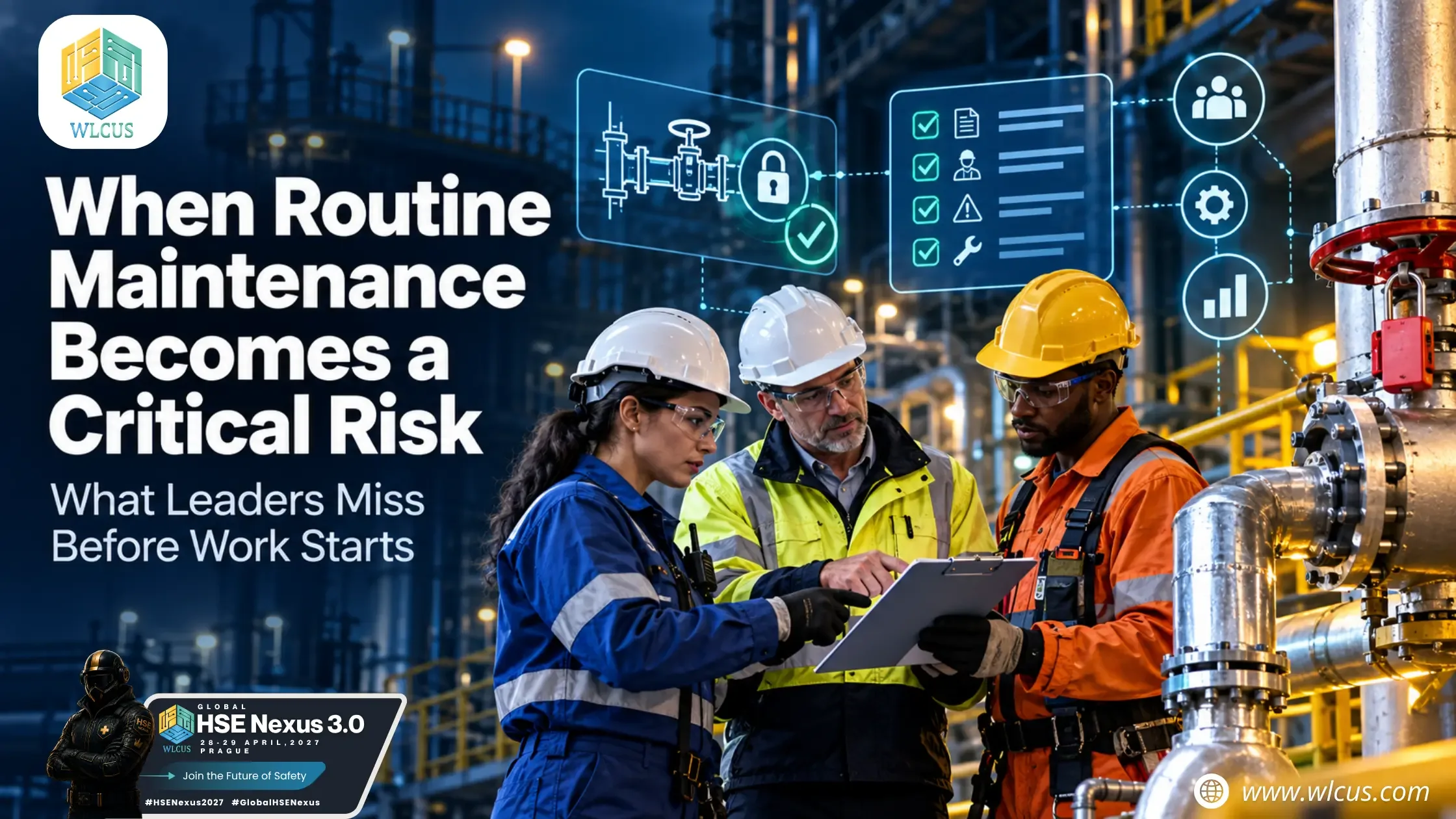
When Routine Maintenance Becomes a Critical Risk: What Leaders Miss Before Work Starts A leaking gasket can look like a straightforward repair. The risk changes when a team has to open pipework, rely on an isolation and work from a position the original plan did not account for. A recent UK Health and Safety Executive…
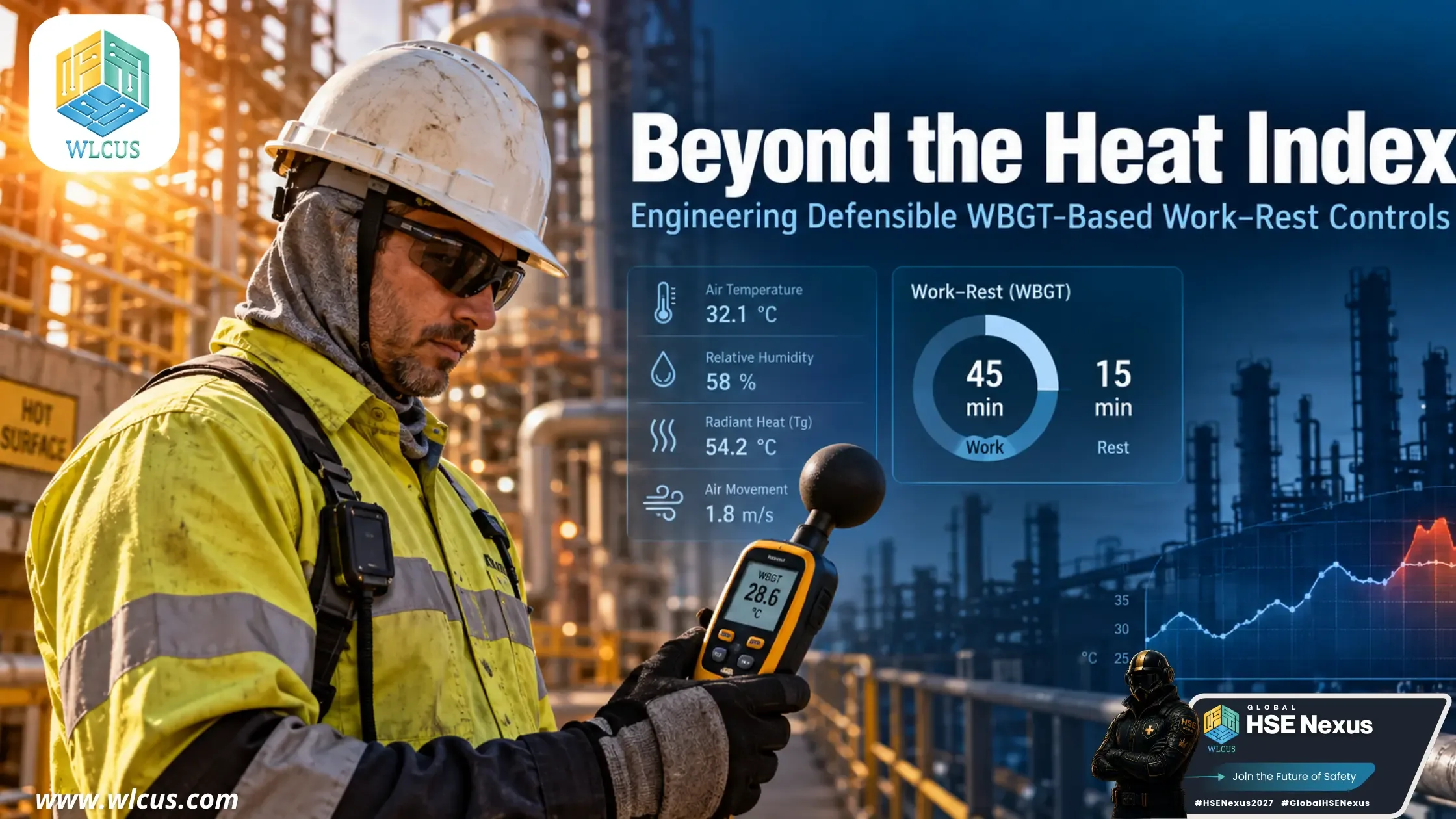
Beyond the Heat Index: Engineering Defensible WBGT-Based Work–Rest Controls Occupational heat stress is often managed as though it were simply a weather problem: check the forecast, distribute water and tell workers to take more breaks when conditions feel hot. That approach is inadequate for high-risk operations. A worker’s thermal burden is not determined by air…
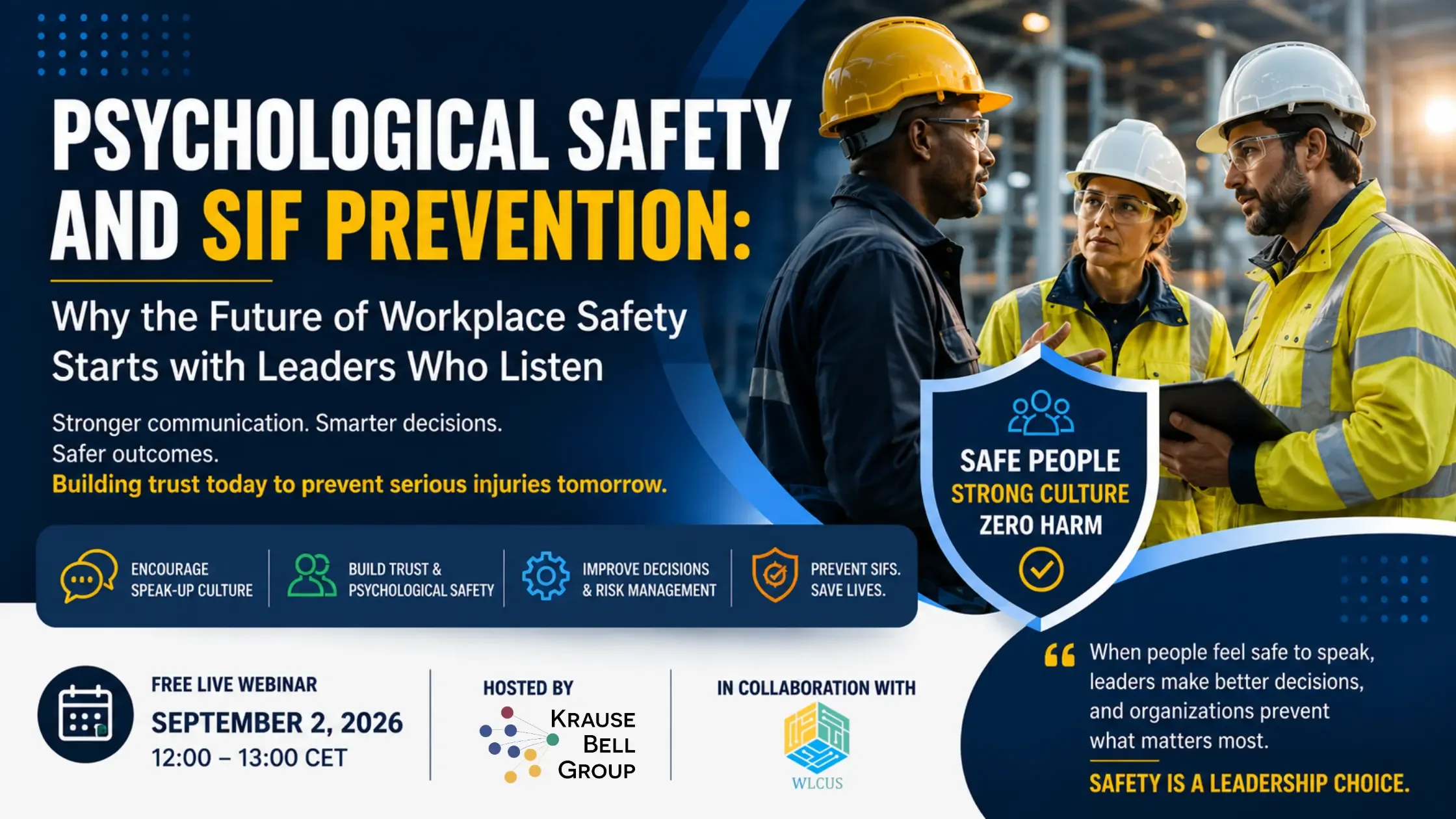
Psychological Safety and SIF Prevention: Why the Future of Workplace Safety Starts with Leaders Who Listen By WLCUS in Collaboration with Krause Bell Group Introduction Every year, organizations invest millions in safety management systems, risk assessments, training programs, and compliance initiatives. Yet despite these efforts, serious workplace injuries and fatalities continue to occur across industries…
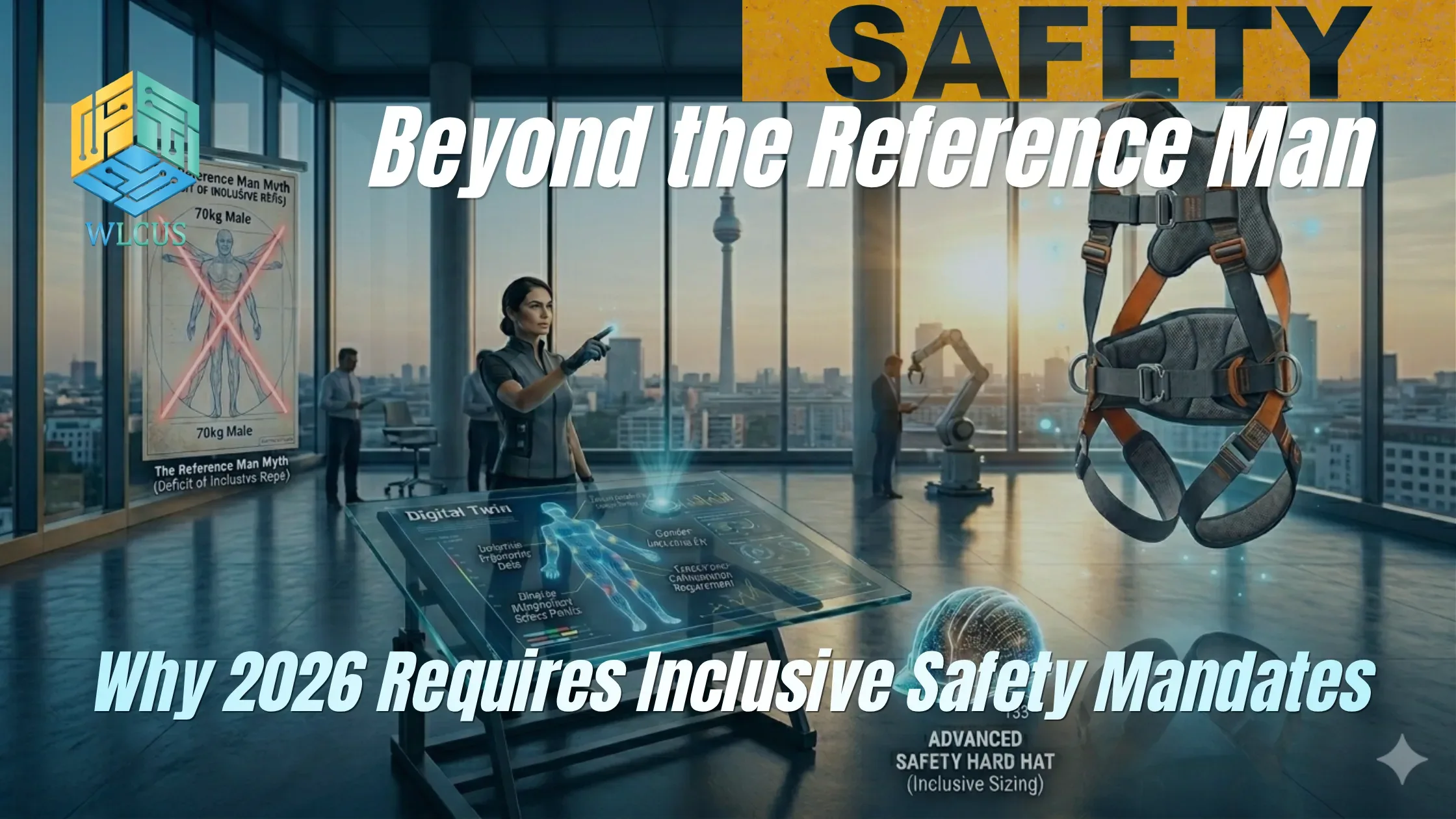
Beyond the Reference Man: Why 2026 Requires Inclusive Safety Mandates For decades, the global industrial sector, from the oil rigs of the North Sea to the pharmaceutical labs of Basel, has operated under a hidden biological bias. Since the mid-20th century, the “Standard” for safety engineering, chemical exposure limits, and equipment design has been the…

The 2026 Tipping Point: Why Traditional HSE is Failing the Modern Workforce In the high-stakes boardroom discussions of 2026, a quiet but dangerous trend has emerged. Many global enterprises, spanning Aviation, Manufacturing, and Pharmaceuticals, are reporting record-low “Lost Time Injury” (LTI) rates. On paper, they look safer than ever. Yet, beneath the surface of these…